
Cryogenic storage, aircraft turnarounds and airside supply tech make next round of Hydrogen Sandbox
At a glance:
- A partnership including Beyond Aero, London City Airport and University of East London and separate bids from DreamerBoy Technologies Ltd and Saxon Air will work with the UK Civil Aviation Authority to further explore the use of hydrogen fuel in aviation.
- The three organisations have been chosen to take part in the third round of the Civil Aviation Authority’s Hydrogen Challenge.
- Over the past three years, the Challenge has supported various projects, collaborating across the aviation industry on the journey towards Net Zero.
The UK Civil Aviation Authority has selected three bidders to join the third round of its Hydrogen Challenge which aims to enable the safe introduction of hydrogen as an aviation fuel:
- Beyond Aero, London City Airport and University of East London – looking at hydrogen aircraft turnarounds at a busy airport, like London City and the skills for the next generation.
- DreamerBoy Technologies Ltd – developing cryogenic compressed hydrogen storage technology (actively stores hydrogen at very low temperatures and high pressure to achieve higher volumetric capacity with indefinite zero boil-off performance) designed to power zero-emission flight.
- Saxon Air – expanding current infrastructure to provide airside storage and hydrogen supply for ground support equipment and unmanned aircraft systems.
Sophie O’Sullivan, Director, Future Safety and Innovation at the UK Civil Aviation Authority said:
“The Hydrogen Challenge is playing a central role bringing together the industry to explore how hydrogen technology can transform flight.
“These new projects reflect the collaborative approach needed to support progress towards Net Zero and ensure hydrogen can be safely integrated into how we fly.”
The bid from Beyond Aero London City Airport and University of East London is a collaborative project to explore how hydrogen-electric aircraft could affect turnaround operations in a live airport environment. Beyond Aero is developing One, a 6–8 passenger hydrogen-electric business aircraft, with an architecture built around fuel-cell propulsion, gaseous hydrogen storage and advanced thermal management. This will be backed up with work to establish the educational foundations to support the next generation entering a transforming aviation industry.
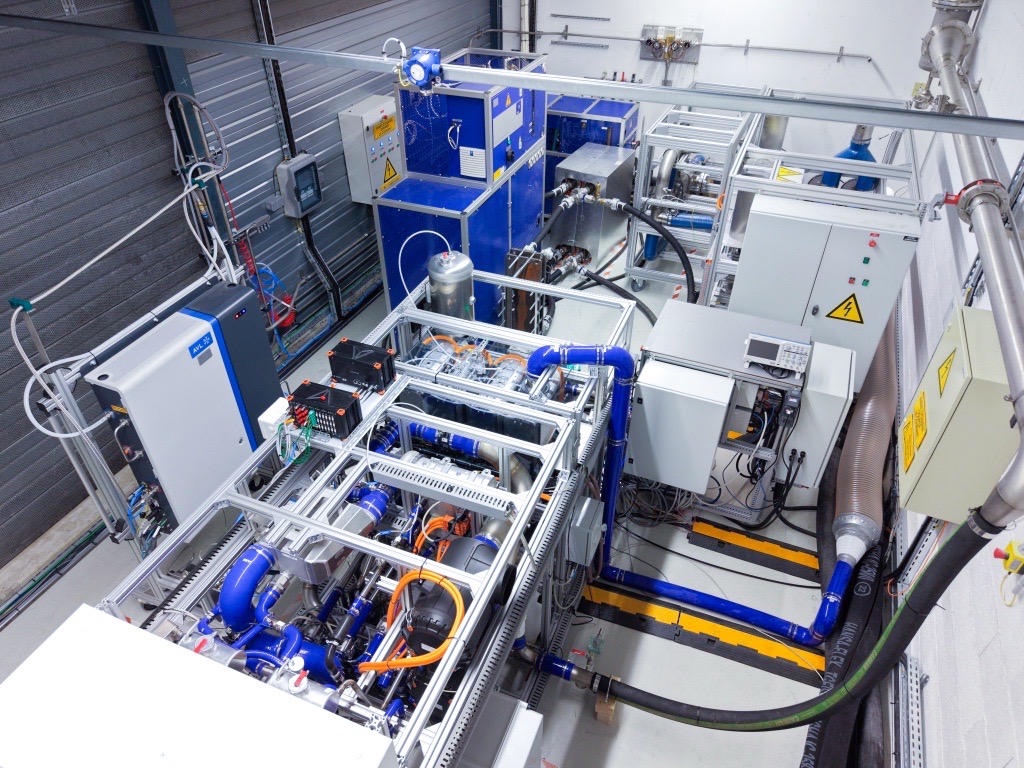
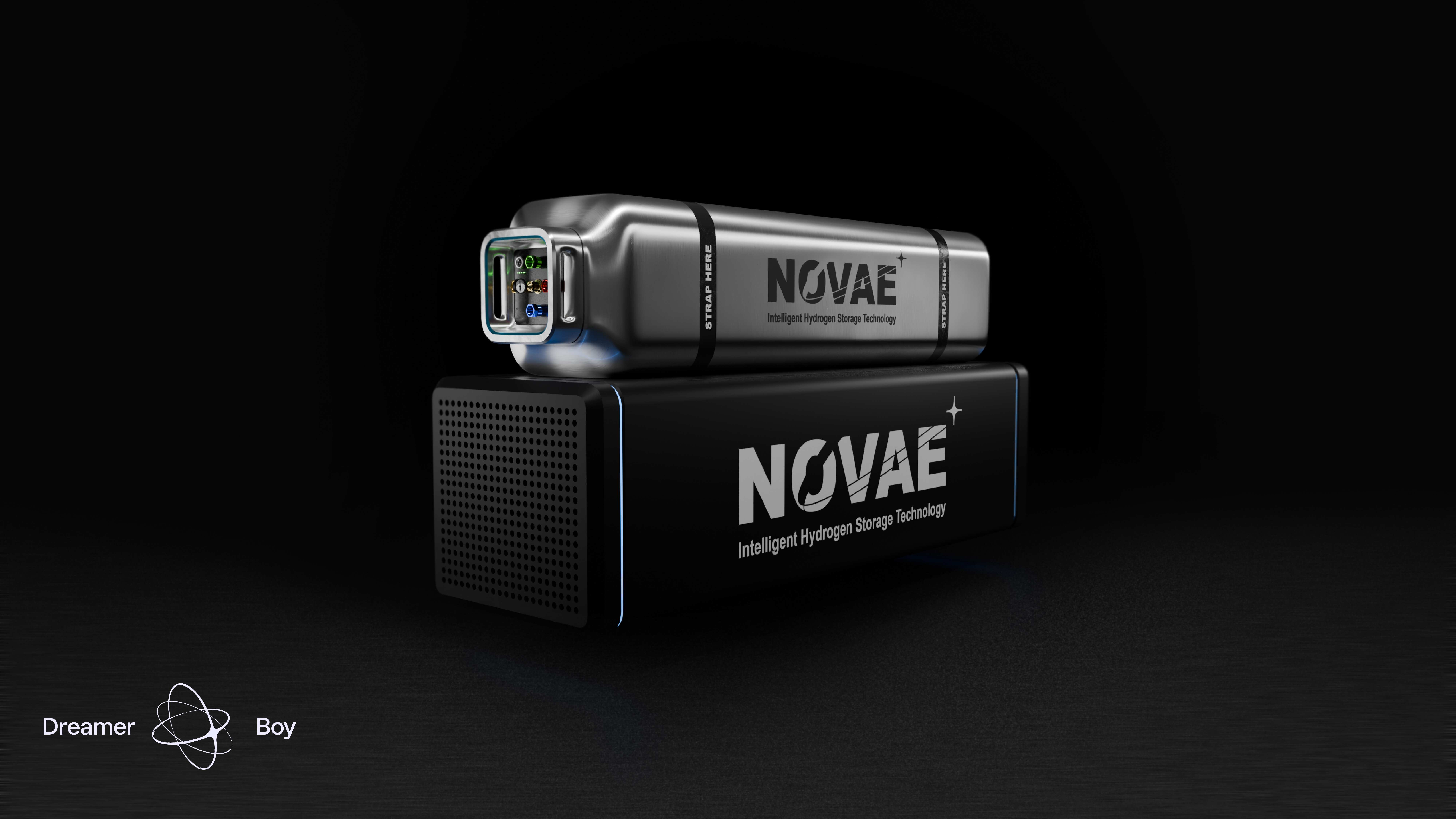
DreamerBoy Technologies Ltd is developing NOVAE+, an adaptive intelligent cryogenic compressed hydrogen storage technology designed to power zero-emission flight. The system uses AI-powered controls to continuously monitor and optimise how hydrogen is stored on aircraft, helping to improve efficiency, reliability and eliminate hydrogen-fuel losses. Through the Sandbox, DreamerBoy Technologies Ltd will develop, integrate and test hydrogen storage systems to generate safety data and regulatory insights.
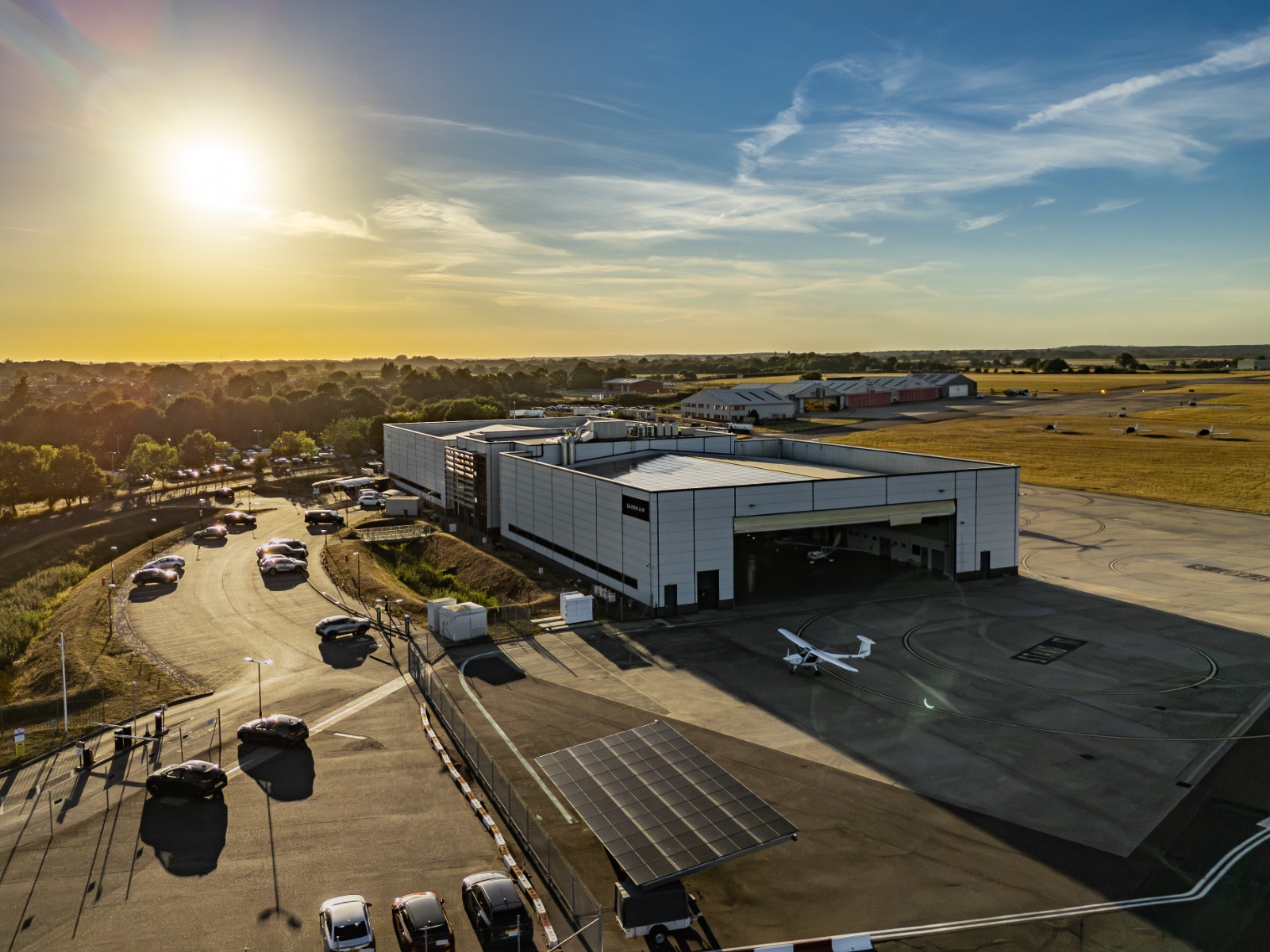
Saxon Air is working to expand its existing infrastructure to provide airside storage and supply of hydrogen for ground support equipment and unmanned aircraft systems. This will help to inform future regulations and best practice for hydrogen operations.
The Civil Aviation Authority will work with the selected organisations to continue to explore and understand the opportunities, risks, safety challenges and potential gaps in current regulations.
Previous rounds of the Hydrogen Challenge have seen hydrogen powered ground vehicles complete a zero-carbon aircraft turnaround at Exeter Airport, while Rolls Royce, in partnership with easyJet, successfully modified a Pearl 15 engine to run on 100% hydrogen to take-off-thrust and across a fully simulated flight cycle.