The Role and Responsibilities of FSTD Standards
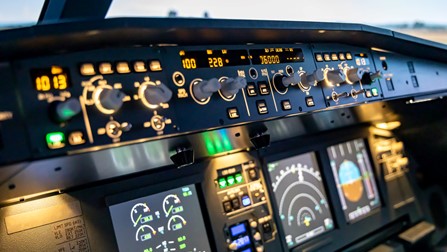
UK aircraft Operators, Approved Training Organisations and Flight Training Centres use Flight Simulators, generically known as Flight Simulation Training Devices (FSTDs), as a highly effective and economical method of training, testing and checking aircrew.
In regulatory terms, there are four types of FSTD:
In order to operate a FSTD for the purposes of providing accredited training to flight crew the device must be shown to comply with the appropriate regulatory requirements. A Qualification Certificate will be issued to devices meeting those requirements. Additionally, a User Approval is required for accredited training, testing and checking to be undertaken in the device and to comply with an Aircraft Operator’s operational requirements.
The FSTD Standards section, together with the Approved Training Organisation section, is responsible for the qualification of Flight Simulation Training Devices (FSTDs) based within the UK for both aeroplanes and helicopters.
FSTD Standards also undertakes evaluations world-wide for EASA or non-EU FSTD Operators as requested and via contract through the auspices of CAAi.
A FSTD Qualification is based upon an evaluation to establish that the device complies with the technical standards and the compliance monitoring system requirements of the current regulatory standards, defined in PART ARA and its associated AMCs & GMs, PART ORA and its associated AMCs & GMs and in the Certification Specifications CS-FSTD A (for aeroplane simulations)) and CS-FSTD H (for helicopter simulations).
FSTD Standards provides ongoing oversight of the device and the FSTD Operator by way of a recurrent subjective and objective evaluation of the device, a compliance monitoring system assessment and periodic audits as defined within the regulatory requirements.
FSTD Standards also issues User Approvals, as defined in the aircraft operational requirements, to Full Flight Simulators and FTDs as necessary to eligible Organisations (typically UK airlines) to support training.